
For the last 5 years I have been selling HDD drill pipe. Honestly, I thought the drilling fluid was just… dirty water before I got involved in this. Then I spent a couple of days out on jobsites, talking to drillers, making a few mistakes of my own and having a couple of “aha” moments that changed the way I look at mud.
This is not a textbook. I am not a mud engineer. I am a drill pipe man. But in HDD, pipe and mud are married. You can have the best drill pipe in the world and you will still be miserable with bad mud.
So, let’s take the three big pieces. Pump. Mix. Recycle.
Pump: Pressure is the symptom, flow is the cure
A few years ago a contractor called me, he thought his pump was weak. “I need more pressure,” he said. I asked what he was trying to do. He said he needed better hole cleaning.
The problem is, pressure does not clean the hole. Flow cleans out the hole.
Your pump is a volume machine not a pressure machine. Pressure is only resistance. This indicates how hard the pump is working to push mud through the system. Any restriction—small drill pipe ID, tight tool joints, long crossing, mud motor, you name it—adds pressure. but that doesn’t mean you are getting the hole cleaner.
The ‘aha’ moment for me was that it’s annular velocity that transports cuttings. You need to have enough flow rate to keep the cuttings moving. No pressure gage in the world will save you if you starve the bit.
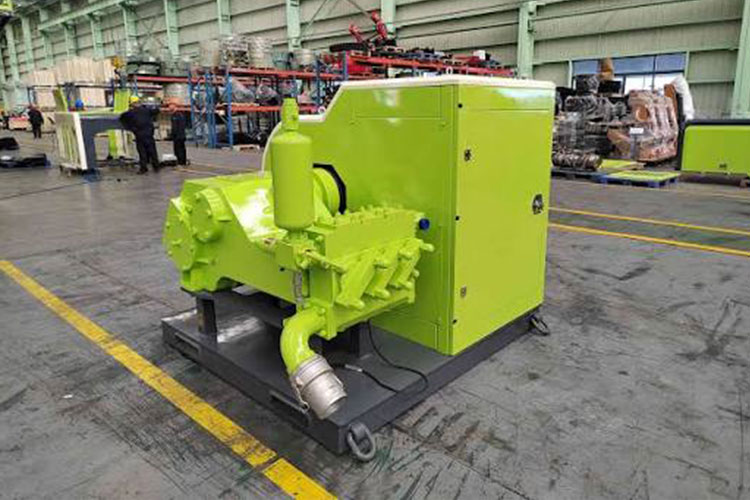
But before you start blaming the pump, check the plumbing. Check your drill pipe ID and tool joint ID. Changing to a smaller ID string for a short crossing may have increased pressure loss and lost flow. Your pump is OK. Your system has its limitations.
Don’t just turn up the pressure. Learn why the pressure is high And make sure your pump output matches your hole size, pipe ID and mud program.
Mix: You’re Not Making a Milkshake, You’re Hydrating Clay
The first time I mixed bentonite I dumped a whole sack in the hopper like I was making pancake batter. The old driller looked at me and said, “Son, you aren’t making breakfast. You’re watering clay.”
We received fish eyes. Bumpy Mud. A blocked pump. It was a catastrophe.
That was my epiphany: bentonite needs time, water and shear. You can’t hurry it.
This is the easy version. Water first. Check the pH. Add the bentonite slowly through the hopper. Let it sit. Then add polymers . Don’t mix it all together and cross your fingers.
People don’t realize how important water quality is. Hard water, chlorides and other junk can gum up your mix. Your water is only as good as your mud.
And if it looks like a milkshake, that doesn’t mean it’s good mud. You want the right viscosity, gel strength, fluid loss and density. Stick with your mud program. And don’t rush the mix, for God’s sake.”
Chill out. Let the clay live. Your pump will appreciate it.
Recycle: Skip Solids Control And You’re Just Recycling Dirt
I once visited a crew that was boasting about zero discharge. They recycled every scrap of mud. That sounded nice.
But their mud was getting thicker and heavier. The pump pressure rose. The bit got hung up. Returns have slowed.
I asked them about their solids control. They said: “Sometimes we put it through the shaker.” But we’re recycling so it’s fine”.
Nope. That’s not right. You are not recycling dirt. You are reusing the hole.
That was another aha moment for me, recycling without solids control is just recirculating dirt.
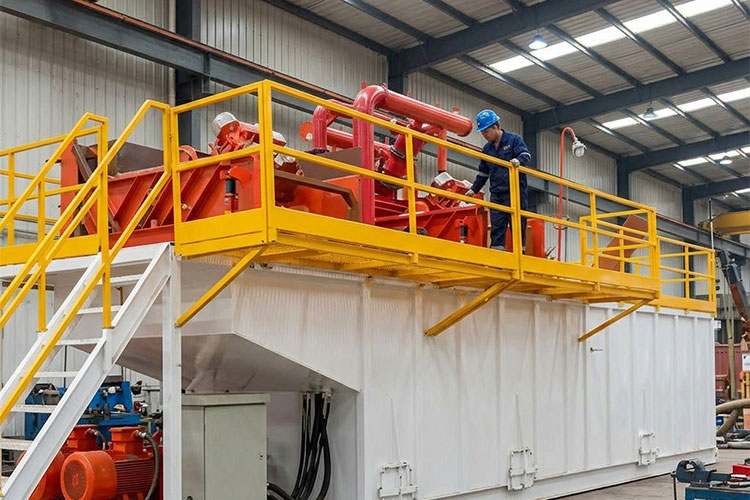
The first one is the shale shaker.
Don’t skip it because it’s shaking too much or messy. Screens are important. Then you have desanders, desilters and centrifuges depending on your solids and your mud weight. Dilution helps but it is not a magic cure. That’s just adding water to the problem.
Monitor mud weight, sand content and funnel viscosity. If solids go up, everything goes up. Pump pressure, equipment wear, disposal cost, and the possibility of stuck pipe.
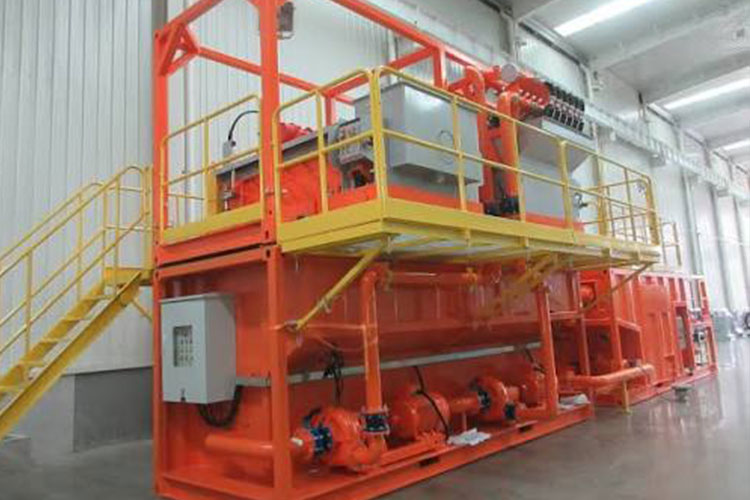
Every particle you take out is a particle you don’t have to pump back down, or haul away, or buy water to thin it out. That’s money. And it saves your drill pipe. Abrasive solids erode tool joints and pipe ID. I have seen pipe blamed for a mud problem more times than I can remember.
Pump, Mix, Recycle—All in One System
So the conclusion is that: Pump, mix and recycle are not separate jobs. They’re a system. If one part goes down the rest pay the price.
Your drill pipe is the superhighway. The traffic is the mud. If the traffic is bad, the highway wears out.
I’m a drill pipe guy so I’ll always be talking about pipe. But I’ve learned that good mud management means the pipe lasts longer, the pumps last longer, and the crews go home less angry. That’s the real win.
If you are having a mud problem or trying to match your drill pipe ID to your pump and mud program, call us. I am open to discussing this. No hard sell. Just business talk.
More Posts for You
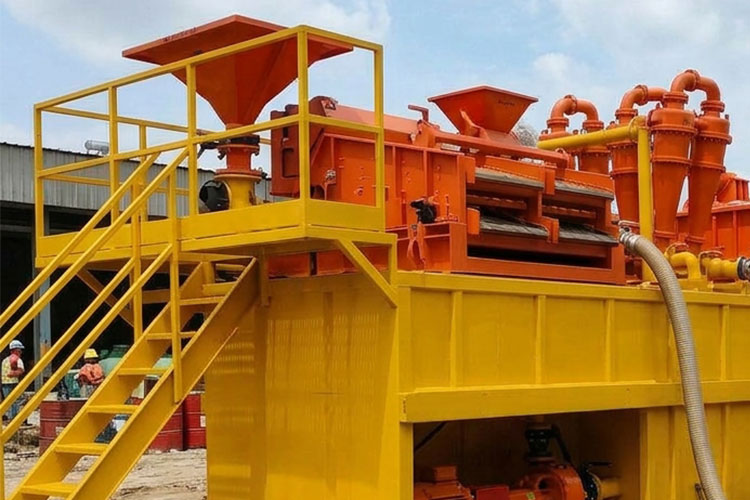
High Capacity Mud Mixing Plant for Vermeer D60x90, D100x140, D220x300 & Ditch Witch JT60, JT100
I have been around HDD drill rods and mud systems long enough to see a…
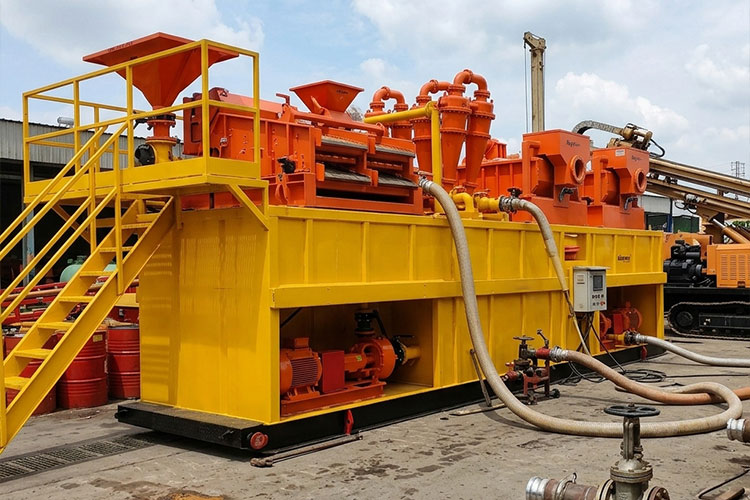
The Mud Pit Was Killing My Weekend (And My Back) – Until I Saw What a Fully Automatic Mixing Unit Does Behind a D40x55 or JT32
Okay, this might sound a little dramatic but hear me out: The most expensive piece…
Fully Automatic HDD Mud Mixing Unit for Vermeer D40x55 Ditch Witch JT32 Directional Drilling Machine
Last spring, I was on a utility job just outside of Columbus, standing next to…