
Hey there fellow dirt lover. Let’s talk mud pumps.
I know, I know, everybody wants to talk about the drill head, the locator, the shiny new rig. But mud pump? That’s the basis. It can take your entire bore from “smooth and steady” to “code red” in about 30 seconds.
I’ve been in the HDD business for about 5 years, mostly in the drill pipe manufacturing side. I spend a lot of time talking to crews, listening to jobsite stories and hearing the same pump problems over and over. So, here are the seven I see most often — and what I’d check first before they stop your drill.
Pump Won’t Prime (or Loses Its Prime)
What you will see The pump is running but there is no pressure. The gage jerks. The tank is frothy. You’re standing there thinking, “Come on, buddy. Do something.
What’s usually going on: You have an air leak on the intake side, low tank level, clogged intake strainer, collapsed intake hose, or worn valves/seats. A lot of guys go straight to the blame game and blame the pump. Pump is usually good, it’s just starving.
What I would do:
Fill tank and keep suction head entirely under water.
Clean the suction filter.
Tighten all of the clamps on the suction side.
Look for cracks in hoses, bad condition of gaskets and wear on the foot valve.
Pump the primer properly.
Personal aha moment: I once sat through two hours of a crew chasing a priming problem. They changed a liner, tested the relief valve, changed gages. It turned out to be a loose suction clamp letting air in. No puddle. No drip. Just foam in the tank and the pump acting drunk. That’s the day I learned: air leaks don’t always leak mud on the suction side.
Low Flow / Low Pressure
What you’ll see: The hole isn’t cleaning like it should. The pullback is slow. There won’t be any stress. You keep turning up the RPMs, and hoping.
What’s really going on: Plungers or pistons or worn liners. Valves not sealing. A relief valve stuck partially open. Wrong pump speed or engine speed. Or a suction restriction you haven’t found yet.
What I would do:
First check engine RPM, pump gear.
Make sure the relief valve is checked.
Test the pump pressure.
Replace worn parts on fluid end.
Then check the suction line again. And again.
True story: One crew changed a liner twice before finding a rag stuck in the suction line. A bit of rag. I won’t mention names but I think about that rag a lot.
Cavitation (The Gravel-in-a-Blender Noise)
What you hear: The pump begins to knock and rattle. The pressure bounces. Flow falls. It sounds like it’s eating rocks.
Generally: Cavitation Pump is starving or trying to pull mud too fast. Common causes: plugged suction, suction hose too small, mud too viscous, air entrainment, or pump speed too high.
What I would do:
Take it easy. At this moment.
If possible, try a larger suction hose.
Reduce the suction run.
Maintain the tank level high.
Release blockages, venting trapped air.
If the program permits, thin the mud.
Field rule: If it sounds like it’s eating gravel, kill it. You are not being hard. You are purchasing a new fluid end.
Rapid Wear of Liners, Pistons, Valves and Seats
What you see is: Pressure falls. You’re rebuilding the pump way too much. The parts look like they’ve been chewed up.
What is usually happening: Abrasive solids. Sand …. Poor solids control. Dry running the pump. Wrong line material or valve material for the job. “You’re pumping too much pressure and speed for the mud.”
Here’s what I’d do:
Get your solids control on line. Desander, desilter, shakers. Whatever the job demands.
Match valve and liner material to the abrasive environment .
Do not let the pump run dry.
Maintain speed in spec.
Check alignment and mounting
Personal rant: I’ve seen a pump eat a set of valves in a week due to the crew pulling sand without a shaker. The pump was no use. It was dirt. Fix the mud and the pump will suddenly be reliable.
Overheating (Power End, Gearbox or Hydraulic Oil)
What you notice: It feels warm to touch. You smell hot grease. The oil is dark. The seals begin to cry. The power end gets loud.
What normally happens: Low oil, wrong oil, dirty cooler, blocked radiator, relief valve constantly bypassing, overloading, misalignment or a bearing on its way out.
What I would do:
Verify oil level and condition
Flush the cooler and rad.
Repair the relief valve if it is bypassing.
Use the correct oil
Check for alignment.
Don’t just turn the fan on and hope.
Aha moment: Heat is warning. Ignore it, and it becomes a rebuild. I have never seen a pump overheat and magically fix itself.
Leaks: Seals, Gaskets, Gearbox, Power End
What you get: Drips. Oil weeping. Mud seeping around the fluid end. Low oil level. A mess at the pump.
What’s usually happening: pressure surges, worn seals, oil contamination, rough shaft, misalignment, loose bolts or incorrect torque.
What I would do:
Change seals and gaskets.
Check shaft run out
Torque bolts to spec .
Have an oil analysis done.
Fix pulsation problems before they destroy the new seals.
Field truth: a leak is not merely messy. It’s telling you that something is pressurized or moving where it shouldn’t be. Listen to it.
Vibration, pressure surges and water hammer
What you see: The hose jumps. The gage needle shakes. Rings the drill pipe. The tool joints begin to crack. The entire pump is shivering as if it is attempting to walk off the skid.
What it’s usually is: A bad pulsation dampener/accumulator. Precharge of lost nitrogen. 3. Ruptured Bladder. Air suction. Sticky valves. Loose mountings. Mal-alignment.
What I would do:
Check dampener and recharge to spec.
If the bladder is ruptured, replace it.
Suction bleed air.
Check valves.
Check alignment, tighten mounting.
Why this one matters to me: This is the problem that gets drill pipe guys like me fired up. Pressure spikes are like tiny hammer strikes. Your drill pipe gets a taste of each one. I have seen tool joints cracked because a pump was pulsing like a paint shaker. If you repair the pump you save the whole drill string.
Pre-Bore Mud Pump Checklist QUICK
Wait 5 minutes before starting the bore. It’s less expensive than 5 hours of downtime.
Suction underwater and tank level okay?
Clean suction strainer?
Are the clamps and suction hoses secure? No cracks?”
Valves, liners and pistons within spec?
relief valve set correctly and not jammed?
Oil level, oil condition and cooler okay?
Precharge for pulsation dampener, huh? Bladder healthy?
Are the dials correct? Is vibration normal?
Work on solids control?
Conclusion
Look, mud pumps are not pretty. But when they go, everything goes.” Most of these problems don’t just come out of thin air. At first, they whisper: foam, heat, vibration, a gage that will not sit still.
Learn the whispers and the bang won’t be necessary.
If your pump problems are wearing thin your drill pipe, tool joints or your patience, give me a shout. I work at a drill pipe factory but I’d rather help you fix the root cause than sell you pipe every month.
- Pump Won’t Prime (or Loses Its Prime)
- Low Flow / Low Pressure
- Cavitation (The Gravel-in-a-Blender Noise)
- Rapid Wear of Liners, Pistons, Valves and Seats
- Overheating (Power End, Gearbox or Hydraulic Oil)
- Leaks: Seals, Gaskets, Gearbox, Power End
- Vibration, pressure surges and water hammer
- Pre-Bore Mud Pump Checklist QUICK
More Posts for You
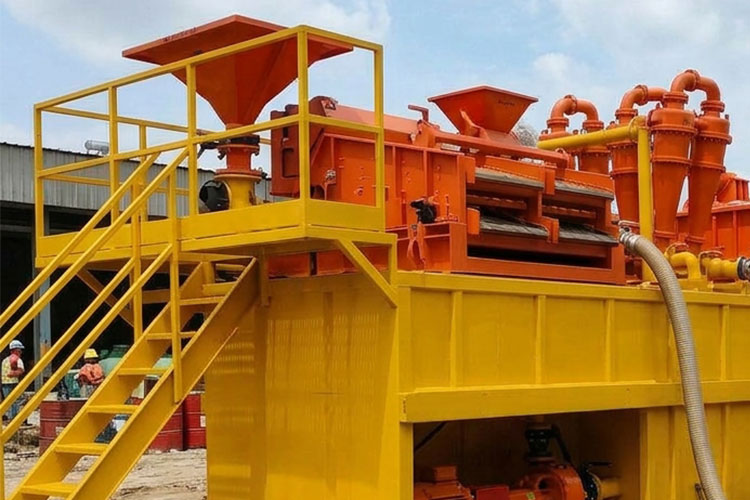
High Capacity Mud Mixing Plant for Vermeer D60x90, D100x140, D220x300 & Ditch Witch JT60, JT100
I have been around HDD drill rods and mud systems long enough to see a…
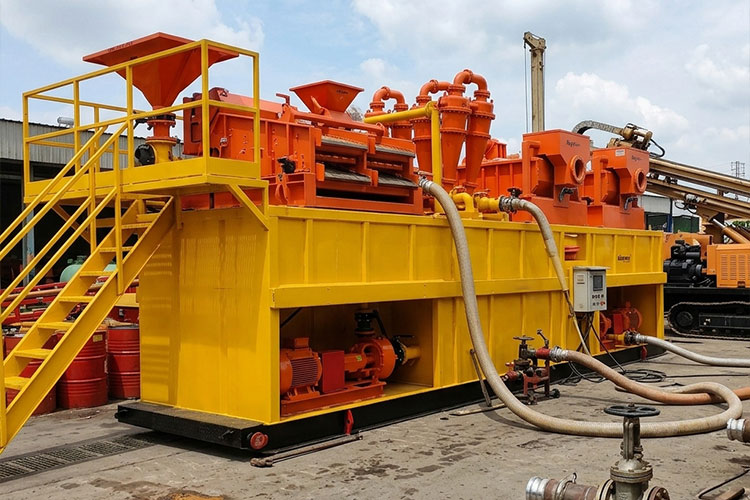
The Mud Pit Was Killing My Weekend (And My Back) – Until I Saw What a Fully Automatic Mixing Unit Does Behind a D40x55 or JT32
Okay, this might sound a little dramatic but hear me out: The most expensive piece…
Fully Automatic HDD Mud Mixing Unit for Vermeer D40x55 Ditch Witch JT32 Directional Drilling Machine
Last spring, I was on a utility job just outside of Columbus, standing next to…