
I’ll be honest with you, I sell HDD drill pipe. I don’t wake up in the morning dreaming about mud pump liners. But after five years in this industry I’ve been on enough jobsites and had enough “why is this pump eating itself alive?” conversations to know one thing:
Your mud pump is the rig’s lifeblood. It stops everything when it starts to skip. And nine times out of ten the wear parts aren’t the problem – they are the messenger.
So let’s talk about liners, pistons and other wear items that silently bleed your wallet. No textbook lecture. No It’s just the stuff I wish more drillers knew before they burned through another set.
The day I stopped blaming the liner.
A few years ago I was talking to a crew in West Texas. They changed liners every two weeks. Biweekly. They were mad about the ‘cheap liners’ they purchased. I asked one question. “When did you last check your suction hose?”
Silence.
It appears their suction hose was collapsing under vacuum. The pump was cavitating like hell. All that vibration and air hammering the fluid end? It was eating out liners and pistons, They replaced the hose. Liner life increased three times.
That was my aha moment. Wear parts never expire. They are killed by something else.
Liners: the first thing everyone blames
A liner is basically the cylinder your piston is riding in. It encounters abrasive mud, high pressure, heat and a piston slapping it thousands of times a day. Yeah, so it wears.
But the fact is:
Choose liner size to the job. Smaller liner = less flow, higher pressure. Is a bigger liner less flow? Nope, the opposite. Bigger liner = more flow, less pressure capability. If you have a liner that is too small for the flow you need you will run the pump harder and hotter. If it is too big for the pressure you need, you are beating it up for no good reason.
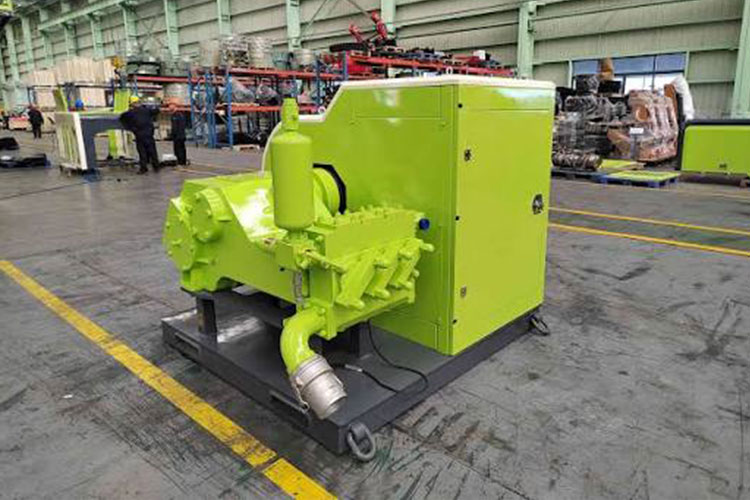
Substance matters. Chrome plated liners are common and OK for general water based mud. Ceramic liners are brittle but have the longest life in abrasive, high-pressure service. I once saw a guy beat a ceramic liner in with a hammer. I nearly cried. Employ the proper tools. Don’t drop it. Don’t break it.
Never use new pistons with worn liners. It’s like fitting a new tire to a bent rim. The piston will wear to the shape of the liner, or worse, it will not seal properly and you will get bypass, heat and scoring.
Pistons: the quiet agitators
In fact the mud is pushed by pistons. There are different materials, urethane, nitrile, rubber, and each has a personality.
Urethane generally works well with abrasive water based mud.
Oil based mud or higher temps might be better with nitrile or rubber.
But don’t speculate. Check the manufacturer’s chart for your mud type, pressure, and temperature.
The #1 killer of pistons? Poor fit. Poor cooling.
If the piston is too tight it will drag and overheat and destroy itself. If it is too loose, it will skip over and wear the liner and the piston. And what if your piston rod cooling spray gets plugged? Never mind. I’ve seen packing go up in a day because someone missed a $5 nozzle. That “just water” is the difference between a $50 packing set and a $2,000 piston rod.
Also: don’t force a piston onto a rod. I know it’s hard. I know you’re in a rush. But you will distort the cup, and it will fail early. Use the correct installation tool and torque.
The other parts of wear that make your life miserable
Everyone is always talking about liners and pistons, but these are the ones that will make you ask yourself most, “Why is it leaking?”:
Valves and Valve Seats. Abrasive solids eat them up. Bad seat on a valve can lead to pressure loss, hammer and heat. Replace them in pairs. Don’t try to save $40 and lose a day.
Springs. They crack. When they do, the valve doesn’t seat properly, and you get chaos.
Packing. It’s leaking, don’t just crank it up. Inspect piston rod for scoring. Flush water test. Check alignment.
Piston Rods . A scored rod will eat packing all day. Sometimes it is cheaper to replace the rod than to keep replacing the packing.
Seal and gaskets And they don’t cost a lot. Change them while you are in there. Don’t recycle.
How to really make your pump last longer
Here’s the simple English version.
First fix your suction . No air will leak out. No collapsed hose. Strainer cleaned. If possible flooded suction. Cavitation is a wear parts factory.
Control your shit. Shale shakers, desanders, desilters, centrifuges, whatever you got. Sand in the mud is sand in your pump. It’s that simple.
Use the correct combination of liner and piston. Do not answer pressure with an old pump. If you don’t have to run max pressure all day.
Keep working the water spray. Clean-Nozzles. Flujo bueno. It cools the rod and the packing. Ignore it you will, pay you will.
Check alignment & vibration. Assembly. Belts. Couplings. A pump that tears itself apart will wear everything out faster.
Torque as per spec. Fluid-end bolts Rod nuts Packing nuts. Use a torque wrench . “Good and tight” is no spec.
Keep a log . Hours. Pressure. Strokes. Repairs. You will see patterns. You’ll know when something’s wrong before it pops.
Flush before stowing. Water fresh. Drain. Petroleum. If you are winterizing it, do it right. “Comeback season is costly enough.
My rapid field checklist
Before you blame the liner or piston ask:
Is the suction hose any good?
Is the strainer clear?
Is the water spray working?
Are the valves and seats sealing properly?
Is the piston rod scored?
Is the stuffing box leaking?
Is the pump in series?
Is the mud mixed with sand?
Are you using the right liner for the job?
If any of those are “no” or “I don’t know” then stop. Fix that first. Then change the wear parts.
Final thoughts
I’ve seen crews spend $8,000 on new liners and pistons and ignore a $200 suction hose. I have seen guys reuse gaskets to save five minutes and lose a whole day. i have done stupid stuff too, we all do.
But the real secret to making the HDD mud pump last isn’t some magic liner or fancy piston. It’s looking at the whole system as a system. The heart of the pump. The symptoms are the wear parts.
Have a pump wear story? I’d love to hear it. And while you’re checking your drill pipe you know where to find me.
More Posts for You
High Capacity Mud Mixing Plant for Vermeer D60x90, D100x140, D220x300 & Ditch Witch JT60, JT100
I have been around HDD drill rods and mud systems long enough to see a…
The Mud Pit Was Killing My Weekend (And My Back) – Until I Saw What a Fully Automatic Mixing Unit Does Behind a D40x55 or JT32
Okay, this might sound a little dramatic but hear me out: The most expensive piece…
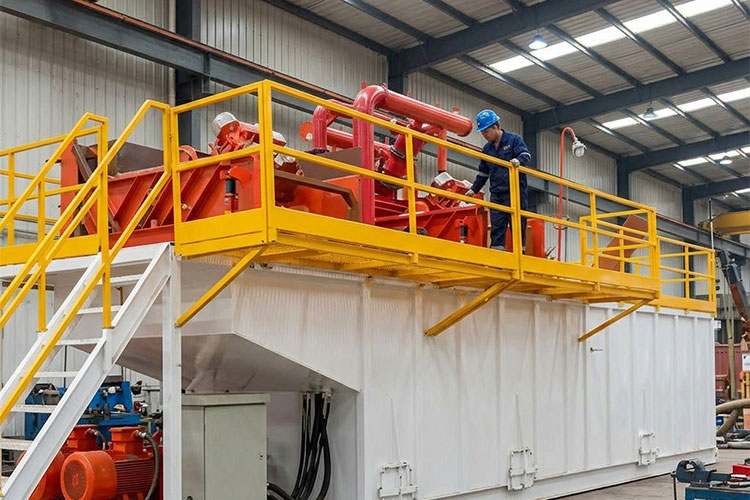
Fully Automatic HDD Mud Mixing Unit for Vermeer D40x55 Ditch Witch JT32 Directional Drilling Machine
Last spring, I was on a utility job just outside of Columbus, standing next to…