
If you’ve been around HDD long enough, you probably have had that one moment when a pump spec sheet seemed like a different language. I know I sure did.
Let me tell you about a job I got called to a few years back. A crew was running a maxi-rig on a 900m cross over, rock formation, mud motor in the BHA. They bought a pump that the dealer promised would do “500 GPM at 5,000 PSI.It looked good on paper.
By day three the motor kept stalling, the rate of penetration was embarrassing and the driller was convinced that the motor was junk. I had one question: “What liners are you running? Three inch. The pump was putting out 140 GPM maybe at that pressure setting. The motor had to spin at least 200. That was my “aha” moment – and to be honest, it’s one I see happen all the time.
The Spec Sheet Don’t Lie. But It’s Not Telling the Whole Story Either.
Here’s the thing no one tells you when you’re shopping for a pump: GPM and PSI don’t play well together. A pump rated at 565 GPM and 5,000 PSI is technically correct, just not at the same time. That EWECO 446? 6-inch liners will give you 565 GPM at 1,200 PSI. Switch to 3 inch liners and you get 5,000 PSI – but flow drops to about 141 GPM. Same pump. Two totally different animals.
This is the most common mistake in HDD mud pump sizing and it’s invisible unless you look at the liner size. If someone quotes you a pump’s GPM and pressure in the same breath without mentioning liners, that’s your cue to ask harder questions.
First the Pump, Then the Motor
I’ll be blunt: most guys size their mud motor, then try to find a pump to feed it. The reverse is true.
A 4 3/4 inch motor usually needs 150 to 250 GPM to deliver rated torque. Put it behind a pump that will realistically deliver 120 GPM and it will under perform every single time — no matter how much weight you put on the bit. The motor is not broken. It is starving.
So before you even look at a motor spec sheet figure your real working GPM at the pressure the job needs. Not the badge score. Not the max output for 0 pressure. The real number your pump is putting out when you’re pushing mud through 900m of drill pipe, a motor and a reamer.
The rule of thumb that works (really)
For reaming and pullback a simple rule of thumb works surprisingly well. Take your reamer diameter in inches multiply by 10 and that’s your target GPM. With an eighteen inch reamer? You’re looking at about 180 GPM minimum to keep the cuttings moving and maintain laminar flow. Go under that and you are gambling with a cutting bed. Which is a fancy way of saying “stuck pipe waiting to happen”.
It’s often less for a pilot bore with a jetting assembly since you’re not moving nearly as much spoil. But as soon as you start to open up that hole, flow rate is king.
Pressure: The Part All of Us Obsess About
It’s all about pressure, but in most HDD applications it’s flow that keeps you drilling. Pressure is simply the cost of getting the flow where it needs to go.
Still, you can’t ignore it. A 1000 meter jetting run with 3 x #16 jets at 360 GPM will chew up about 500 PSI just in the bit. If you put a downhole motor on rock, you add 150 to 200 PSI to make it work well. So now you’re at 700 psi just to keep the system going at that rate. Your pump’s liner setup maxing out at 780 PSI after a realistic duty cycle? You’re cutting it close.
And here’s where it gets funny; you can’t just bolt two pumps together and get double the pressure. Parallel pumps give you more GPM not more PSI . “To get more pressure you have to reduce the size of the liners – which means losing flow.” That’s a trade, not a magic trick.
The 60-70% Rule (And Why I Wish Someone Had Told Me This Sooner)
Don’t run your pump at its rated max for long term reliability. End of story. The best practice is to design for 60-70% of both flow and pressure capacity. That 565 GPM pump, with 6″ liner? expect around 367 GPM in actual working condition. Rated at 1,200 PSI? Think 780 psi
I know it feels like you’re leaving performance on the field. But the crews who run their pumps flat-out on every job are the same crews replacing liners and valves every few weeks. Math on the downtime is brutal.
A Reality Check Before You Buy
Ask yourself 3 questions:
What’s my reamer size? How many GPM does it require?
And what pressure do I really need for that flow, including motor and jet losses?
Can my pump do both at the same time and have like a 30-40% buffer?
If the answer to number three is “maybe,” you don’t have enough pump. And if someone is trying to sell you a pump based on two max numbers that can’t exist together, walk away.
“Just get the liner sizing right, and get the pump matched to the motor, and give yourself that 60-70 percent buffer.” Your motor will run. Your hole remains clean. And you won’t be the guy on the phone at 2 AM asking why the pump “isn’t performing like the spec sheet said.”
More Posts for You
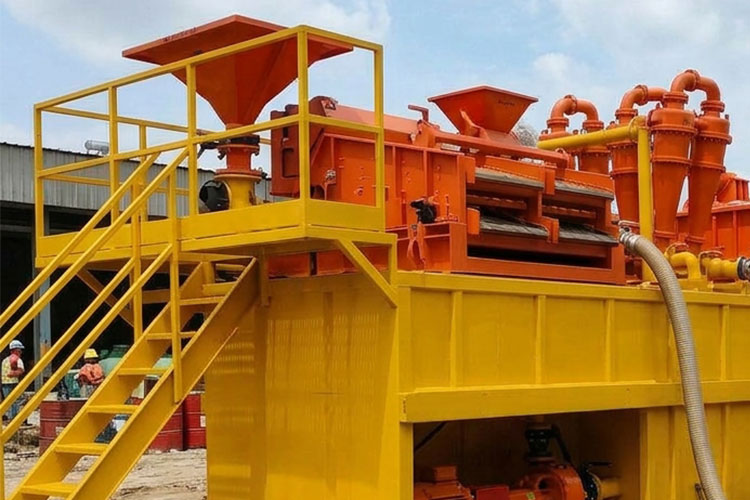
High Capacity Mud Mixing Plant for Vermeer D60x90, D100x140, D220x300 & Ditch Witch JT60, JT100
I have been around HDD drill rods and mud systems long enough to see a…
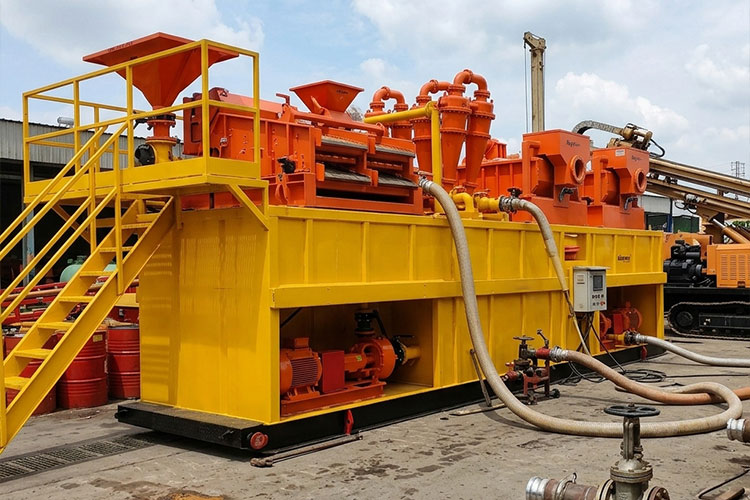
The Mud Pit Was Killing My Weekend (And My Back) – Until I Saw What a Fully Automatic Mixing Unit Does Behind a D40x55 or JT32
Okay, this might sound a little dramatic but hear me out: The most expensive piece…
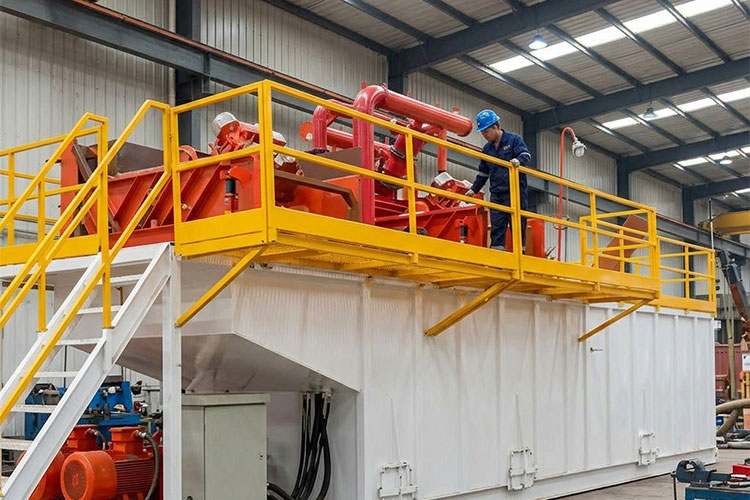
Fully Automatic HDD Mud Mixing Unit for Vermeer D40x55 Ditch Witch JT32 Directional Drilling Machine
Last spring, I was on a utility job just outside of Columbus, standing next to…