
Last spring, I was on a utility job just outside of Columbus, standing next to a Vermeer D40x55 S3 that had no business being down. Crew was nice.
The dirt was not bad. The bore plan was neat. But there we were waiting—again—because somebody had dumped the bentonite in the hopper too fast and the mixture had gone lumpy and the pump was coughing instead of drilling.
The foreman looked at me and said something I still think about. “We didn’t buy a 70-gpm rig to stand around watching a guy with a sack of gel.”
He was right. The D40x55 runs a 70 gpm mud pump for a reason – it’s designed to move fluid and keep the hole clean. Same story for the JT32. 70 gpm on board, sized for production downhole, not babysitting a mixing hopper. If your pump is outpacing your mixing setup, you’re not drilling. You wait.
That was my ‘oh’. I am not selling you anything. Nothing but a simple dusty realization.
The thing nobody tells you about hand mixing
Mixing is simple. Bag, hopper, water, stir. How hard can that be?
This is what’s really happening on a jobsite. You got a guy on the hopper who’s been doing it for years and he’s fine until he’s not, because he is also the guy checking the locator, or the guy backing up the reamer, or the guy who called in sick.
And you get a new guy on the hopper, and all of a sudden the mix is too thin to carry cuttings or too thick to pump without surging. You have a batch that sits too long and starts to settle. You get a dust cloud that covers everything within a ten foot radius, including the operator’s coffee.
And this is what really ticks me off: the rig doesn’t care how experienced your hopper guy is. The pump sucks what the pump sucks. If the mud isn’t ready, the pump just pumps water, or worse, cavitates. The hole is in pain. The tooling suffers. And the crew pretends they’re not frustrated.
I’ve seen automated mixing data from the oilfield that claims manual operations “increase the risk of imprecision”, and make the whole system “more susceptible to human failure”. That sounds medical. Which means translated to an HDD jobsite: the guy on the hopper is the weakest link, but the guy you can least afford to lose.
What does a Fully Automatic Unit actually do to a D40x55 or JT32
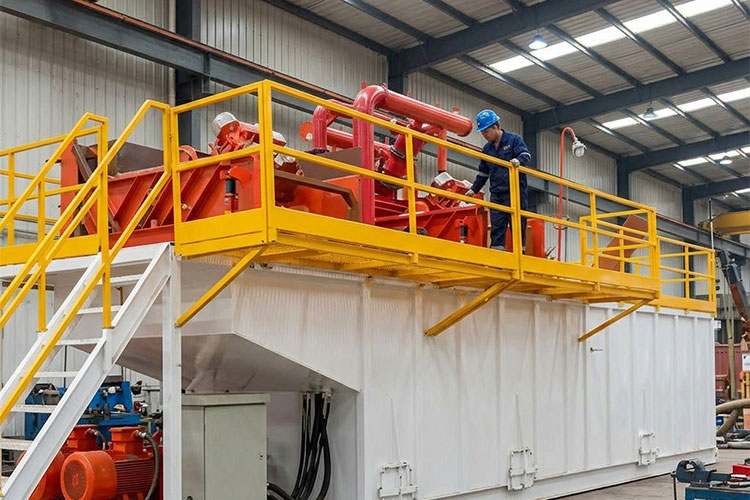
A full automatic mud mixing unit is not magic. It’s a simple idea, done right. The machine handles the ratio, the timing and the dust so your people don’t have to.
Here’s how that looks in practice, matched against these two rigs.
The D40x55 and the JT32 are both in that sweet spot where you’re doing real utility work, longer bores, bigger product, soil conditions that change halfway through the shot.” You have to have consistent mud, not “close enough” mud. A fully automatic unit measures the dry product and water together at a controlled rate, wets it out properly before it ever gets to the tank, and keeps the slurry moving so nothing settles between rods. You’re not looking for the pump. When the mud is ready, the pump is ready.
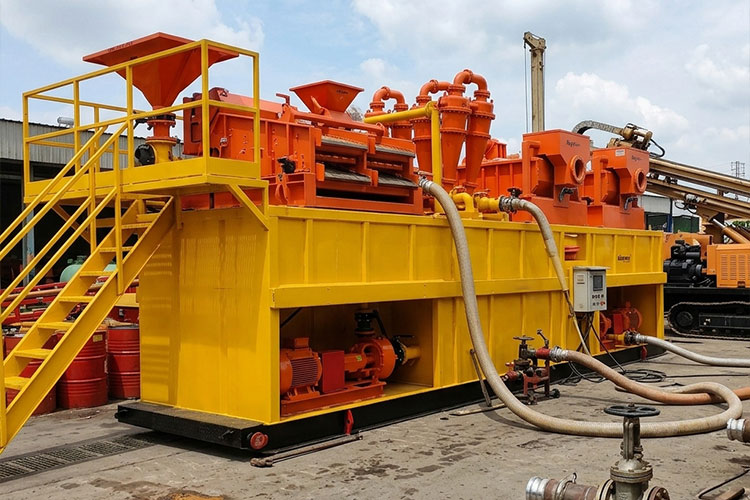
And the capacity issue is important. This class of drill is often paired with a 1,000-gallon mixing tank with multiple jets. That’s enough volume to keep a 70-gpm pump fed without constant refilling, but still portable enough to move with the crew. Some setups have dual tanks or a split tank so you can pump one batch while mixing another. That’s the difference between mixing to catch up and mixing ahead of yourself. Once you’ve worked in a unit that lets you cook ahead, it’s like trying to tie your shoes with one hand to go back.
And the dust. Let me just say this, the dust is the part that nobody puts in the brochure but everybody talks about on site. An automated sealed mixing unit eliminates the need to dump product out of bags. One operator can run the entire mixing process and not have to be in a cloud of bentonite. That ain’t a privilege. That’s a crew that takes the day without coughs.
The “aha” is not about speed. It’s all about who you wind up with.
I’ve sold enough of these units to know price is usually the first question. Right. But the conversation that closes the sale is never about gallons per minute or batch time. It’s when the contractor realizes he can put his best hand back on the locator or the reamer instead of parking it at the hopper.
“Automation in drilling fluids has been shown to reduce the need for manpower and to reduce the operator’s exposure to chemicals and hazards—not because the machine is smarter than the guy, but because the machine doesn’t get tired, doesn’t get distracted and doesn’t have a bad morning,” he said. On a D40x55 or a JT32, that means the rig runs at the speed it was built to run and the crew runs at a speed that doesn’t wear them out by Thursday.
I’ll be honest, not every crew needs the same setup. Tank size, footprint, power source, mixing on the truck vs. on a skid — these are details that matter, and should match how you actually work. But the basic change is the same for all: stop letting the mud wait on the drill.
If you have a D40x55 or a JT32 and you’re still running sacks and a hopper, I’d be happy to walk you through what a full auto unit would look like on your trailer. No hit. Same conversation I had with that foreman in Columbus, except without the dust.
More Posts for You
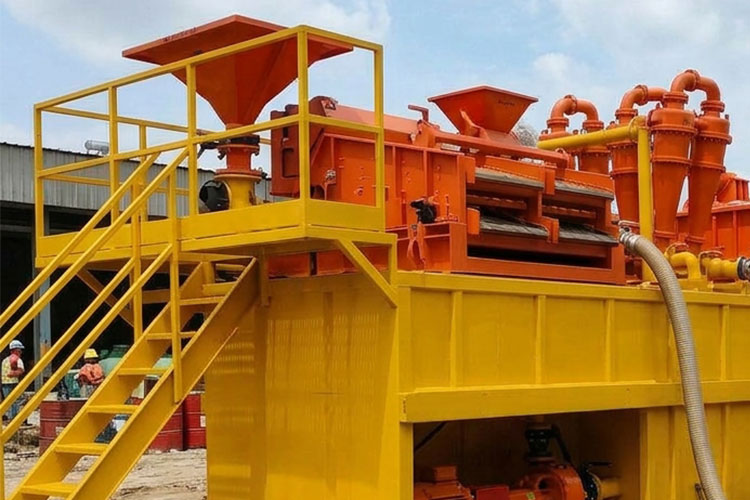
High Capacity Mud Mixing Plant for Vermeer D60x90, D100x140, D220x300 & Ditch Witch JT60, JT100
I have been around HDD drill rods and mud systems long enough to see a…
The Mud Pit Was Killing My Weekend (And My Back) – Until I Saw What a Fully Automatic Mixing Unit Does Behind a D40x55 or JT32
Okay, this might sound a little dramatic but hear me out: The most expensive piece…
Fully Automatic HDD Mud Mixing Unit for Vermeer D40x55 Ditch Witch JT32 Directional Drilling Machine
Last spring, I was on a utility job just outside of Columbus, standing next to…